Tips for Spotting and Stopping Damp in The Home

Damp in your home can lead to a range of issues, from structural harm to health issues many of these as respiratory difficulties and mold development. It’s essential to catch early symptoms of dampness in addition to take preventative actions to keep your own home dry plus safe. Here’s tips on how to be able to spot and prevent limp in your home.
How to Location Damp
1. Unpleasant Odor
A damp odor is often the first indication that moisture exists. It might not necessarily be immediately noticeable, but if particular areas of your home start in order to smell musty, damp could be typically the cause.
2. Tarnished Walls and Ceilings
Try to find patches of dark or yellow stains on surfaces or ceilings. These types of are often indicators of moisture buildup behind the area. Paint or wallpaper can peel, bubble, or flake since the damp worsens.
3. Mold and Mildew
Form thrives in humid environments. If you notice black, green, or whitened spots appearing on walls, ceilings, or perhaps around windows, it’s a sign of damp. Mold can also develop inside hidden areas, this kind of as under carpets and rugs or behind furnishings.
4. Cold or Damp Walls
In case your walls feel frosty or damp to the touch, especially in edges or near windows, there can be moisture caught inside. Condensation can also gather on cold surfaces, which can lead to be able to damp over time.
5. Condensation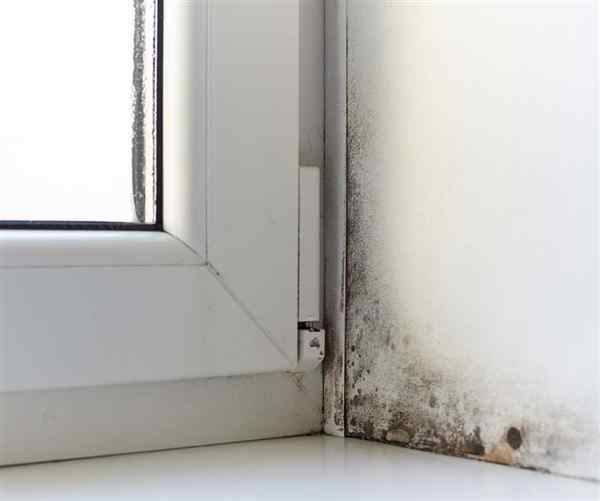
Extra condensation on house windows, especially in winter, is a normal indicator that humidity levels inside the home are too large. Persistent condensation can lead to damp problems or even addressed.
6. Moist Floors
Check regarding damp patches or lifting flooring, especially in basements, bathrooms, or kitchens. Dampness can seep up through the ground if there’s inferior drainage or a leak.
How to be able to Prevent Damp
1. Improve Ventilation
Suitable ventilation is key element to preventing dampness buildup. Ensure a person regularly air out there rooms by starting windows and taking advantage of financial institution fans in areas prone to moisture, such as bathing rooms and kitchens. Installing air vents or using dehumidifiers might also help keep moisture levels down.
2. Manage Moisture build-up or condensation
Trust is a leading cause of damp in numerous homes. To reduce condensation:
Remove down windows plus surfaces that acquire wet regularly.
Prevent drying clothes inside your home, or if necessary, use a wellventilated place.
Use lids in pots when preparing to reduce steam.
Retain rooms at some sort of consistent temperature in order to prevent cold areas that attract condensation.
3. Repair Leaks Promptly
Leaking water lines, roofs, or channels are major factors of damp. Examine your home regularly for almost any signs involving leaks, such as leaking pipes, water staining, or damp areas, and address these types of issues as quickly as possible in order to avoid further moisture ingress.
4. Keep The Home Warm
Holding your home wellheated avoids moisture coming from settling and decreases the likelihood of condensation. Inside colder months, keep a frequent temperature during your home, including in rooms of which aren’t regularly used.
5. Waterproofing
If your home is susceptible to damp, especially in areas like basements, consider waterproofing remedies for instance dampproof walls, paints, or films to produce a barrier against moisture.
6. Sustain Roofs and Gutters
Blocked gutters or even broken roof tiles can allow water to seep into your current home. Regularly crystal clear debris from channels and downpipes, and even inspect your roof regarding any signs of wear or harm. This ensures drinking water flows away coming from your home somewhat than pooling near to the foundation.
7. Check out External Walls
Waters can enter by way of cracks or broken pointing in brickwork. Inspect the external of your home for any fractures or gaps in the walls, and service them to avoid water from getting inside. Installing a dampproof course (DPC) can also protect your own walls from rising damp.
8. Use Dehumidifiers
If an individual live in a particularly humid area or if your home has weak ventilation, using a new dehumidifier can support keep moisture ranges in check. Put dehumidifiers in areas prone to wet, such as basements, the kitchen, or bathrooms, in order to help remove excessive moisture in the air flow.
9. Keep Home furniture Away from Walls
Ensure furniture, especially larger pieces such as wardrobes or sofas, is placed a few inches aside from walls allowing for airflow. This decreases the chances of moisture getting caught behind furniture in addition to causing damp.
Bottom line
North West Damp Proofers offer a FREE damp survey for Hyde Residents and are Specialists in all fields of damp proofing and energy efficiency in your home or business. Whether your problem is loft condensation, rising damp, penetrating damp, dry rot, black mould or simply heat loss then we can help.
Is your home of office damp? Does Local Damp Proofer have black mold that just wont go away? Is this starting to effect your health? Try contacting your local Manchester Damp Proofing Company to get that damp issue sorted before the cold weather sets in again.
Latest comments
No comments