web design for psychologists

Creating a therapist website that encompasses understanding while maintaining an aesthetic design is essential. The first step involves using colors that evoke tranquility, such as soft blues. These shades can create an atmosphere of reassurance, encouraging visitors to explore further. Additionally, incorporating natural imagery can help establish a connection with the audience, making the site feel more relatable and welcoming.Creating a mental health professional website that encompasses empathy while maintaining an aesthetic design is essential. The first step involves using colors that evoke serenity, such as soft blues. These shades can create an atmosphere of reassurance, encouraging visitors to explore further. Additionally, incorporating natural imagery can help establish a connection with the audience, making the site feel more relatable and welcoming.Moreover, ensure your website is designed with user-friendliness in mind. A organized layout helps potential clients navigate seamlessly through your offerings. Accessible interfaces allow them to find information quickly, such as services, contact details, or helpful articles. Providing a seamless experience can minimize anxiety around the initial outreach, encouraging visitors to take the next step toward seeking support.
9 Facts Everyone Should Know About Therapist Website Design
Incorporating warm visuals can greatly enhance the overall experience. Utilize gentle colors and images that evoke feelings of safety and understanding. Be sure to select photos that illustrate real moments, inviting visitors to see themselves in those scenarios. This visual connection can alter how they perceive therapy, making it feel more accessible and relatable.Incorporating warm visuals can greatly enhance the overall experience. Utilize calming colors and images that promote feelings of safety and understanding. Be sure to opt for photos that illustrate real moments, inviting visitors to see themselves in those scenarios. This visual connection can shape how they perceive therapy, making it feel more accessible and relatable.
Incorporating thought-provoking elements such as videos or guided meditations can significantly heighten the user experience on therapy websites. These tools provide valuable insights into the therapist's approach, enhancing engagement while promoting mental wellness. Through thoughtful placement and design of such features, therapists can offer a deeper connection to their practices. This dynamic provides visitors with a comforting introduction to services, making them feel more inclined to reach out for assistance and healing.Incorporating interactive elements such as videos or guided meditations can significantly heighten the user experience on therapy websites. These tools provide valuable insights into the therapist's approach, enhancing engagement while promoting mental wellness. Through thoughtful placement and design of such features, therapists can offer a deeper connection to their practices. This dynamic provides visitors with a comforting introduction to services, making them feel more inclined to reach out for assistance and healing.
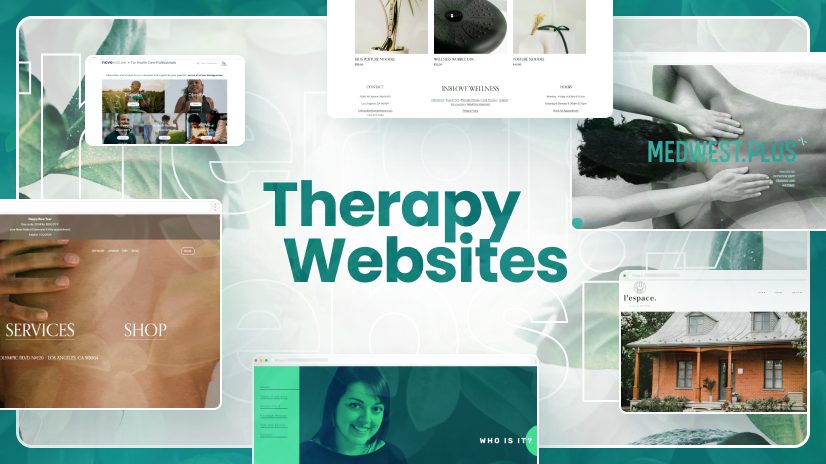
Psychotherapy Website Design: What A Mistake!
Creating a mental health professional website that genuinely connects with visitors is essential in today’s digital age. therapist web design Designing your platform to embody your unique approach can make a significant difference. Engaging content that speaks to potential clients’ concerns will not only help convey your expertise but also foster a sense of connection, leading them to feel more at ease reaching out for support.Creating a counselor website that truly connects with visitors is essential in today’s digital age. Designing your platform to reflect your unique approach can establish a significant difference. Engaging content that speaks to potential clients’ concerns will not only help convey your expertise but also foster a sense of trust, leading them to feel more at ease reaching out for support.Implementing a thoughtful blog can further reinforce your presence as a resourceful therapist. Regularly posting articles on topics related to mental health, self-care, and therapeutic practices engages visitors and establishes your authority in the field. Use captivating titles and approachable language to draw readers in. By offering valuable content, you create an opportunity for deeper connection, positioning your site as a go-to resource for guidance and support.
Typography also plays a significant role in wellness-oriented web design. Choosing readable fonts is essential, as they influence how users perceive information. Utilizing soft typefaces can enhance the friendliness of the site. Pairing fonts with appropriate line spacing and size will ensure visitors don’t strain their eyes while navigating through resources. These details contribute immensely to the overall atmosphere, fostering a sense of contentment.Typography also plays a significant role in wellness-oriented web design. Choosing legible fonts is essential, as they influence how users perceive information. Utilizing soft typefaces can enhance the friendliness of the site. Pairing fonts with complimentary line spacing and size will ensure visitors don’t strain their eyes while navigating through resources. These details contribute immensely to the overall atmosphere, fostering a sense of contentment.Lastly, ensure that the website is responsive across various devices since many users may search for services on their phones or tablets. A design that adapts seamlessly improves usability and reflects a commitment to client-centered care. Remember, a well-designed therapist website not only captures attention but also embodies a spirit of acceptance, inviting potential clients into a space where they can seek help.
Incorporating dynamic components can further enhance the user experience on a therapist's website. For instance, adding a guided meditation can provide immediate value and foster a sense of engagement. These tools allow users to feel more connected to the therapeutic process, translating digital interaction into meaningful steps towards their mental well-being. Such features can make your website stand out in a crowded field while staying true to its purpose.Incorporating interactive elements can further enhance the user experience on a therapist's website. For instance, adding a self-assessment quiz can provide immediate value and foster a sense of engagement. These tools allow users to feel more connected to the therapeutic process, translating digital interaction into meaningful steps towards their mental well-being. Such features can make your website stand out in a crowded field while staying true to its purpose.Creating a mental health professional website that draws interest involves more than just appealing design. It’s essential to have concise information about your services. Visitors should easily find out how you can help them. Use inviting language that resonates with your potential clients, making them feel welcome.
Latest comments
No comments