7 Motivations To Pick A Prime Ip Booter

Within the ever-evolving landscape of the digital world, network stress testing has become a critical process for companies aiming to fortify their online presence. Grasping the concept of IP stressers involves exploring various methodologies that assess how online platforms perform under duress. These methodologies help identify potential vulnerabilities and ensure robust performance when faced with unprecedented traffic loads.In the rapidly changing landscape of the digital world, stress testing has become a critical process for companies aiming to fortify their online presence. Understanding the concept of IP stressers involves navigating various methodologies that assess how websites perform under duress. These methodologies help identify potential vulnerabilities and ensure robust performance when faced with overwhelming traffic loads.In sum, the surprising advantages of learning about IP stressers extend far beyond mere awareness of threats. They create opportunities for individual growth and fortify one’s position in the ever-evolving landscape of digital security. By embracing knowledge on this subject, individuals not only enhance their own safety but also contribute positively to the wider community, promoting a robust approach to cyber defense.
Where Is The Best Ip Stresser?
Ultimately, the future of IP stressers and their role in network security remains uncertain. As cyber threats continue to evolve, organizations will need to adapt their approaches toward security assessments and preventive measures. Awareness of the implications of using such tools may lead companies to rethink their strategies for protecting sensitive information and maintaining system integrity. Therefore, being proactive is key to securing digital assets in this ever-changing landscape.Ultimately, the future of IP stressers and their role in network security remains uncertain. As cyber threats continue to evolve, organizations will need to adapt their approaches toward security assessments and preventive measures. Awareness of the implications of using such tools may lead professionals to rethink their strategies for protecting sensitive information and maintaining system integrity. Therefore, acting decisively is key to securing digital assets in this ever-changing landscape.
Within the digital world, understanding stress testing systems is essential for both protection and functionality. An IP stresser is a utility designed to test the robustness of websites against high traffic volumes. By simulating various levels of stress, owners can determine how their infrastructures will perform under intense loads.Within the online world, understanding IP stress testing tools is crucial for both security and performance. An stress testing service is a application designed to evaluate the resilience of websites against traffic overloads. Through simulating various levels of stress, users can determine how their infrastructures will perform under intense loads.In the realm of online safety, understanding the concept of IP stressers is vital for anyone looking to protect their systems. An IP stresser, often associated with DDoS (Distributed Denial of Service) attacks, is a tool that bombards a targeted server by sending massive amounts of traffic. This can result in outages or slowdowns, making it a popular choice among malicious actors.
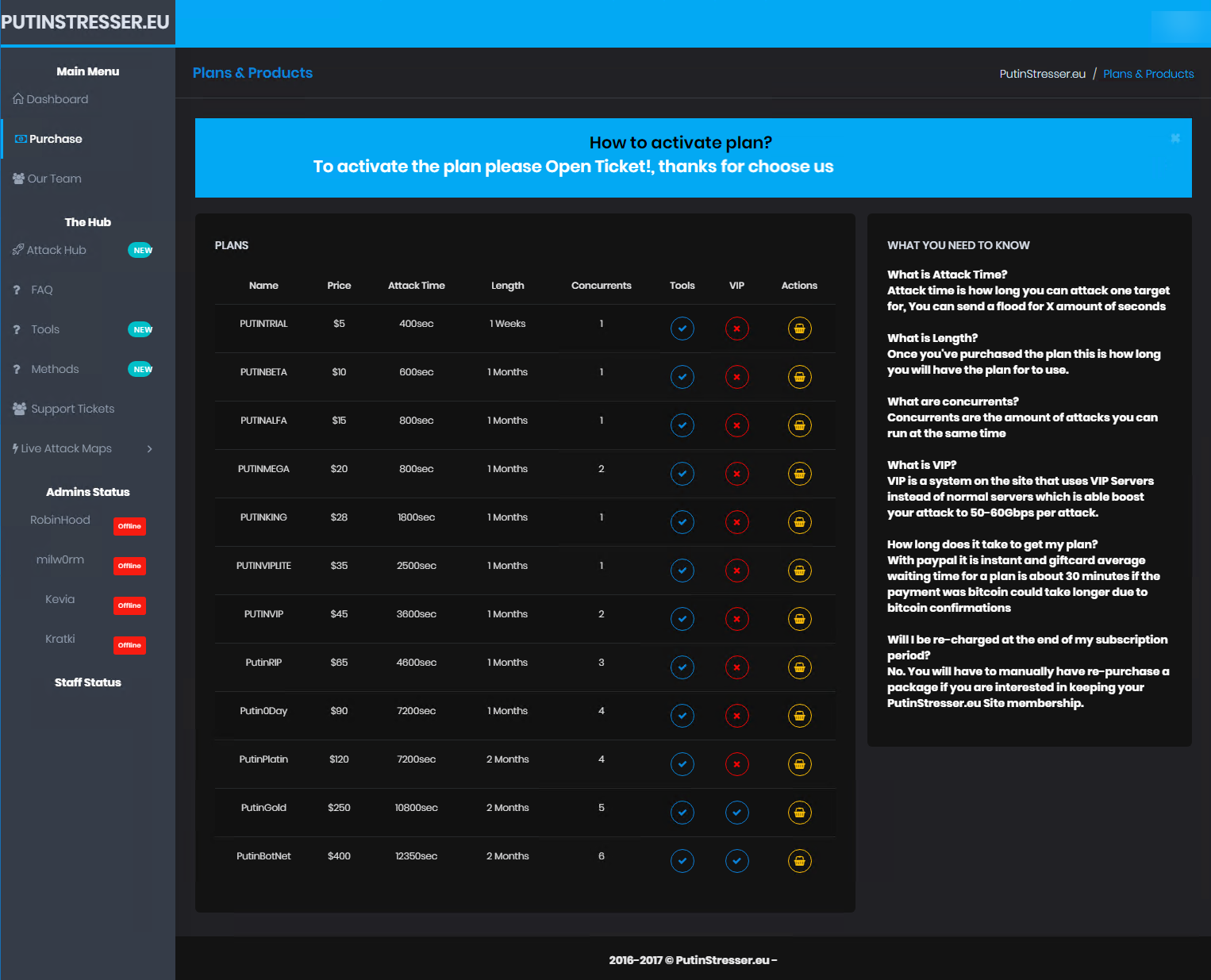
How To Gain Ip Stresser
Understanding the legal implications of using IP stressers also adds another layer to the conversation. In many regions, using these tools without consent borders on illegal activity, raising ethical concerns. Companies must remain aware about how they utilize such technologies. This balancing act—between leveraging IP stressers for legitimate evaluation while steering clear of unlawful practices—is crucial for maintaining a reputable image in the competitive landscape of cybersecurity.Understanding the legal implications of using IP stressers also adds another layer to the conversation. In many regions, using these tools without consent borders on illegal activity, raising ethical concerns. Companies must remain aware about how they utilize such technologies. This balancing act—between leveraging IP stressers for legitimate evaluation while steering clear of unlawful practices—is crucial for maintaining a trustworthy image in the competitive landscape of cybersecurity.
It’s important to note that while traffic simulation tools can enhance security, abuse of IP stressers for malicious purposes can result in severe legal consequences. Prudent use is key; organizations must ensure they have permission to test the networks they're evaluating. By practicing good ethics and responsibility, you'll protect yourself from potential backlash while maximizing the benefits of these powerful tools.It’s important to note that while high-load testing tools can enhance security, misuse of IP stressers for malicious purposes can result in severe legal consequences. Prudent use is key; organizations must ensure they have permission to test the networks they're evaluating. By practicing good ethics and responsibility, you'll protect yourself from potential backlash while maximizing the benefits of these user-friendly tools.
Without the ability to test site limits, companies could be surprised by unexpected surges in traffic. An IP stresser not only reveals how a site handles load but also highlights aspects needing improvement. This proactive approach is crucial, as it provides insight ip booter into real-world scenarios before actual user interaction, paving the way for a smoother experience overall.Lacking the ability to test server limits, companies could be caught off guard by unexpected surges in traffic. An IP stresser not only reveals how a site handles load but also highlights aspects needing more work. This proactive approach is crucial, as it provides insight into real-world situations before actual user interaction, paving the way for a better experience overall.IP stressers are not just about overloading systems; they serve a greater purpose by revealing vulnerabilities within your network architecture. When you know where your gaps lie, you can take the necessary steps to secure these areas. This process leads to an overall improvement in your system’s ability to withstand potential attacks, creating a more robust experience for all users involved.
Latest comments
No comments