Methods for Spotting and Avoiding Damp in Your current Home

Damp in your current home can lead to a range of troubles, from structural destruction to health problems like as respiratory issues and mold development. It’s essential to catch early indications of dampness in addition to take preventative measures to keep your current home dry and safe. Here’s helpful information on how in order to spot and prevent wet in your home.
How to Place Damp
1. Stale Odor
A damp odor is often the first sign that moisture is present. It might not really be immediately obvious, but if particular areas of the home start in order to smell musty, wet could be the particular cause.
2. Tarnished Walls and Ceilings
Seek out patches regarding dark or orange stains on surfaces or ceilings. These types of are often symptoms of moisture buildup behind the area. Paint or wallpaper can peel, real estate, or flake since the damp worsens.
3. Mold and Mildew
Mold thrives in humid environments. If you notice dark, green, or whitened spots appearing about walls, ceilings, or perhaps around windows, it’s a sign associated with damp. Mold can also develop in hidden areas, these kinds of as under carpets or behind furniture.
4. Cold or even Damp Walls
Should your walls feel cold or damp to touch, especially in corners or near glass windows, there could be moisture caught inside. Condensation can also gather about cold surfaces, which usually can lead in order to damp over time.
5. Condensation
Surplus condensation on home windows, especially in wintertime, is a standard indicator that dampness levels inside the home are too higher. Persistent condensation can result in damp problems otherwise addressed.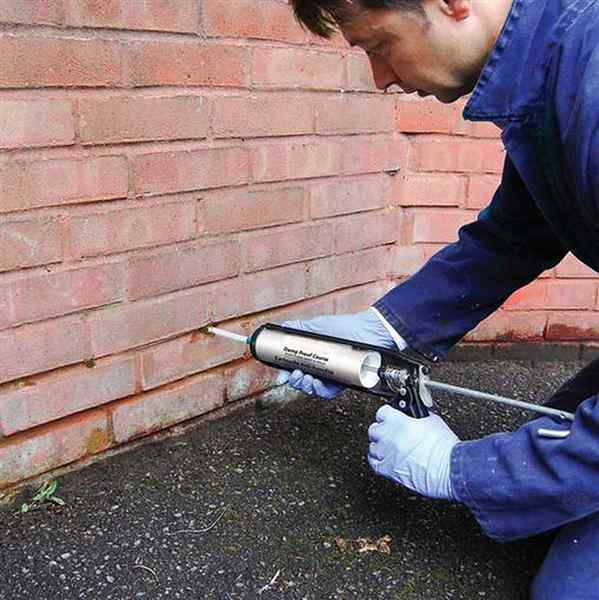
6. Humid Floors
Check intended for damp patches or perhaps lifting flooring, especially in basements, bath rooms, or kitchens. Dampness can seep way up through the floor if there’s bad drainage or the leak.
How in order to Prevent Damp
1. Improve Ventilation
Appropriate ventilation is essential to preventing moisture buildup. Ensure you regularly air outside rooms by opening windows and using financial institution fans in areas prone to dampness, such as bath rooms and kitchens. Putting in air vents or using dehumidifiers will also help keep wetness levels down.
2. Manage Moisture build-up or condensation
Condensation is a major cause of wet in several homes. In order to reduce condensation:
Wipe down windows and even surfaces that acquire wet regularly.
Steer clear of drying clothes in the house, or if required, use a wellventilated area.
Use lids about pots when cooking to reduce steam.
Retain rooms at the consistent temperature to be able to prevent cold floors that attract moisture build-up or condensation.
3. Repair Leaks Promptly
Leaking plumbing, roofs, or channels are major leads to of damp. Check your home frequently for just about any signs involving leaks, like leaking pipes, water spots, or damp patches, and address these types of issues as rapidly as possible to stop further moisture ingress.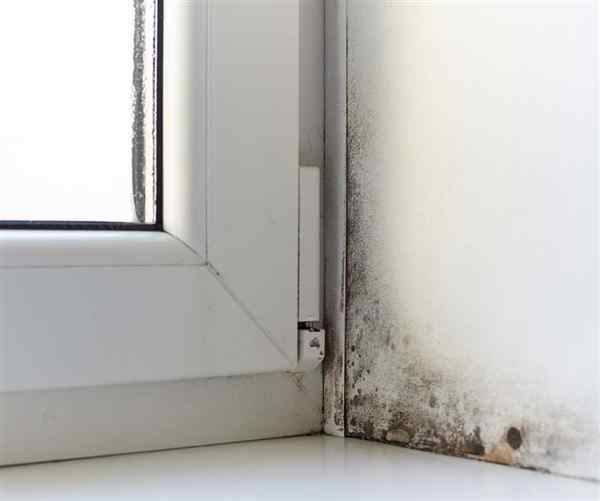
4. Keep Your current Home Warm
Hanging on to your home wellheated helps prevent moisture coming from settling and reduces the possibilities of condensation. On colder months, sustain a consistent temperature throughout your home, including in rooms that will aren’t regularly used.
5. Waterproofing
If the home is vulnerable to damp, especially inside areas like large numbers, consider waterproofing treatment options such as dampproof filters, paints, or linings to make a barrier towards moisture.
6. Maintain Roofs and Gutters
Blocked gutters or broken roof porcelain tiles can allow water to seep into the home. Regularly obvious debris from gutters and downpipes, in addition to inspect your homes roof with regard to any signs of wear or destruction. Free Damp Survey ensures normal water flows away coming from your home somewhat than pooling near the foundation.
7. Examine External Walls
Waters can enter by way of cracks or damaged pointing in brickwork. Inspect the external of your home for any cracks or gaps within the walls, and fix them to avoid water from finding inside. Installing some sort of dampproof course (DPC) could also protect your current walls from increasing damp.
8. Make use of Dehumidifiers
If you live in an especially humid area or your home has weak ventilation, using some sort of dehumidifier can support keep moisture amounts in check. Put dehumidifiers in rooms prone to limp, such as basements, kitchens, or bathrooms, to be able to help remove extra moisture in the air.
9. Keep Pieces of furniture Away from Walls
Ensure furniture, especially larger pieces such as wardrobes or couches, is placed a few inches apart from walls allowing for airflow. This minimizes the chances of moisture getting stuck behind furniture plus causing damp.
Bottom line
North West Damp Proofers offer a FREE damp survey for Stretford Residents and Specialise in all fields of damp proofing and energy efficiency within your home or business. Whether your problem is loft condensation, rising damp, penetrating damp, dry rot, black mould or simply heat loss then we can help.
Do you have issues with damp, condensation or black mold in your home or business? Can't seem to cure it or get rid of the musty smell that comes with it? In most cases of damp you need to call in the experts to identify what is causing the damp and how it can be rectified for good. CDP Offer Commercial,Domestic & Contract Damp Proofing and Moisture Control services including the installation of Damp Proof Courses and PIV equipment, we are local, independent, , professionally trained, DBS checked and cover most of Cheshire including Broxton, Chester, Congleton, Crewe, Davenham, Deeside, Ellesmere Port, Frodsham, Hartford, Helsby, Homes Chapel, Kelsall, Knutsford, Middlewich, Nantwich, neston, Northwich, Runcorn, Saltney, Sandbach, Stapeley, Tarporley, Tattenhall, Waverton, Weaverham, Winsford
Latest comments
No comments